


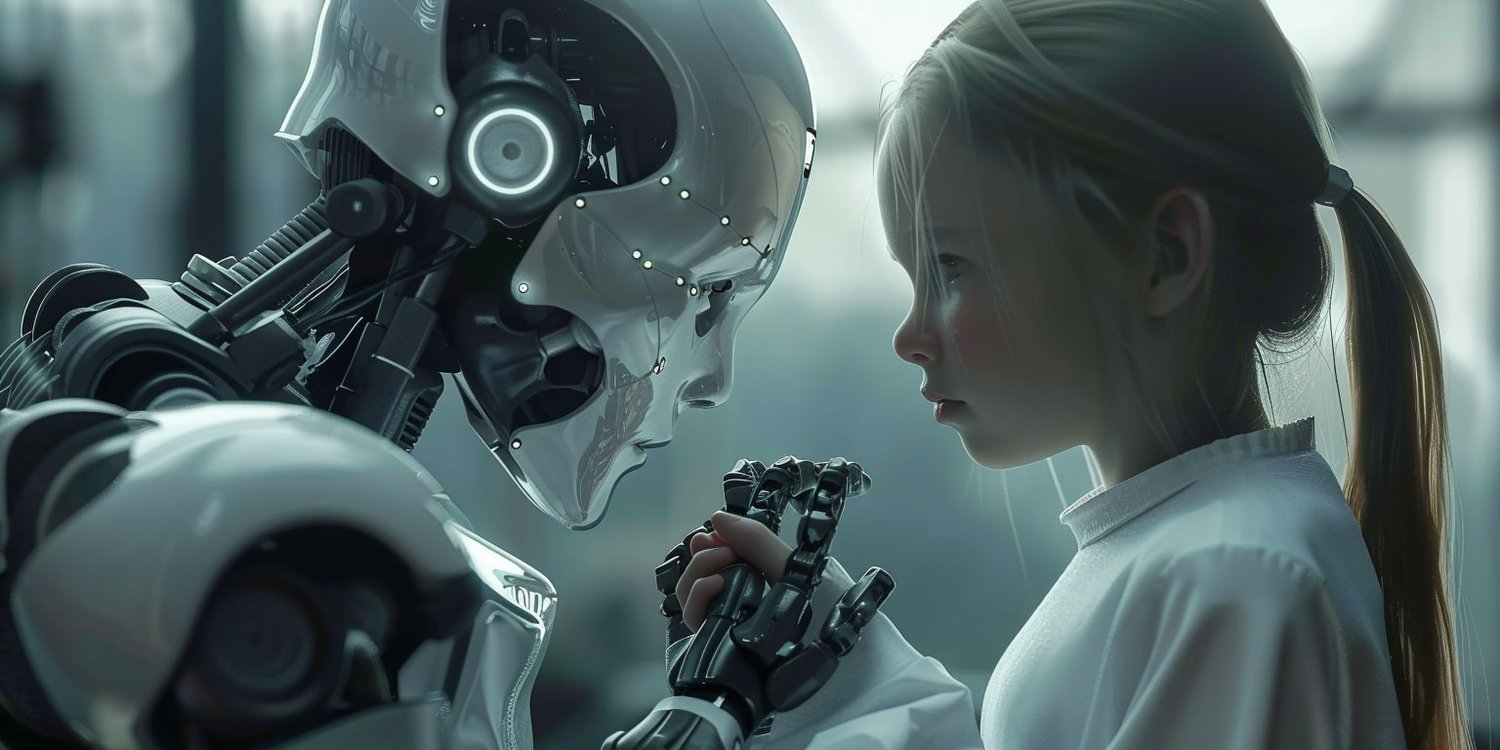
Humans and AI can coexist harmoniously, with this partnership already taking shape in our society. The dynamic relationship between humans and AI presents a myriad of opportunities and challenges that can be navigated successfully with strategic planning and foresight. Here are some essential aspects of this coexistence:
Collaboration and Enhancement
- Complementary Abilities: Human creativity, empathy, and ethical judgment combine with AI’s data processing prowess to enhance decision-making and foster innovation.
- Augmentation: AI technologies can bolster human capabilities in various fields, from medicine to education, offering personalized solutions and experiences.
Economic and Social Impacts
- Job Transformation: While AI may automate routine tasks, it also creates new opportunities, especially in oversight, ethics, and development. Smooth workforce transition is key, supported by education and training programs.
- Social Benefits: AI can address societal challenges by enhancing healthcare, accessibility, and sustainability efforts.
Ethical and Governance Considerations
- Ethical AI Use: Ensuring fairness, privacy, and transparency in AI systems requires ongoing collaboration between technologists, policymakers, and the public.
- Global Governance: Establishing international norms for AI technology usage can mitigate risks and share benefits effectively.
Challenges and Risks
- Bias and Discrimination: Vigilance is essential to prevent biases and promote inclusivity in AI systems.
- Security Risks: Addressing vulnerabilities like hacking and misuse is crucial to prevent security threats from AI technologies.
The coexistence of humans and AI is a current reality, with the focus on optimizing benefits and mitigating risks through collaborative efforts across sectors. As this relationship evolves, adapting to emerging challenges and opportunities will be essential for a prosperous future.
Strategies for Individuals Impacted by AI Job Displacement
The rise of AI and automation poses challenges for the workforce, particularly for those facing job displacement. Here are some strategies to navigate this shift:
1. Reskilling and Upskilling
- Invest in Education: Acquire new, in-demand skills through lifelong learning in areas less susceptible to automation.
- Tech Literacy: Gain a basic understanding of AI and technology to stay relevant in a changing job market.
2. Career Transition
- Identify Growth Industries: Seek roles in fields experiencing expansion due to AI advancements.
- Leverage Transferable Skills: Utilize existing skills that are transferable to new job sectors.
3. Entrepreneurship
- Innovate: Explore entrepreneurial opportunities in emerging niches created by AI and technology.
- Consultancy: Offer expertise as a consultant to assist companies in adapting to automation.
4. Advocacy and Support
- Engage with Policy Makers: Advocate for policies supporting workers through transitions caused by automation.
- Community Support: Join groups offering resources and networking opportunities for individuals impacted by job displacement.
5. Mindset and Adaptability
- Adaptive Mindset: Embrace change and view challenges as avenues for personal growth.
- Flexibility: Be open to relocating, changing industries, or adjusting lifestyle to adapt to job market shifts.
6. Financial Planning
- Savings and Investments: Build financial resilience with diversified income sources to navigate career transitions.
While AI job displacement presents challenges, embracing lifelong learning, adaptability, and strategic career choices can help individuals thrive in a changing job landscape. Societal support measures are crucial in aiding those affected by technological advancements in the workforce.